









Read Dr. Beth's Latest Article:
Healing the MicrobiomeDr. Beth Recommends these products:
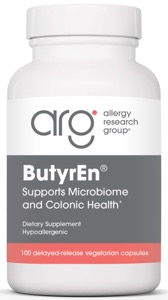


Heal your Microbiome with Butyrate
Modern diets have starved your gut's natural GLP-1 engine. Butyrate production depends on fiber, and the average American gets only about 11-16 grams a day. In traditional cultures, fiber intake regularly exceeds 100 grams. 30 to 40 grams daily is the minimum recommendation.
Human metabolism evolved around the butyrate–GLP-1 connection long before pharmaceutical GLP-1 agonists ever existed. Our ancestors ate diverse plant fibers that fed gut microbes, which in turn churned out butyrate. That butyrate kept the intestinal barrier strong, inflammation low, and appetite hormones in balance.
Today, processed foods and industrial seed oils — especially vegetable oils that are high in linoleic acid (LA) — break that cycle. They damage gut bacteria, slash butyrate output, and disable the L-cells responsible for natural GLP-1 production. The result? We're tired, inflamed, overweight — and told we need drugs to fix it. But you don't need to mimic biology with a syringe if you can restore it through your own gut.
How Butyrate Fuels Natural GLP-1
Butyrate directly nourishes L-cells in your intestinal lining — the same cells that release GLP-1 after meals. When butyrate is abundant, GLP-1 secretion works the way nature intended:
You don't need a synthetic GLP-1 agonist to access these benefits. You need butyrate. Give your gut bacteria the right environment to do their job. This isn't about overriding your biology. It's about supporting the natural regulatory loop your gut needs. When this system is fueled properly, metabolic balance is the default state.
What Happens When Butyrate Is Low?
Conditions like Type 2 diabetes, depression, and Parkinson's often trace back to this breakdown. The good news? Restoration starts in your gut, and it can begin within days of changing your diet.
To boost butyrate, you need to feed the gut bacteria that make it. First heal your gut by focusing on easy-to-digest carbs like fruit and white rice. Then, start slowly adding fermentable fibers like resistant starch (found in cooked-and-cooled potatoes and green bananas) and inulin-rich vegetables (like garlic and onions). Cutting out vegetable oils and processed foods is also key to stop disrupting your gut's microbial balance.
Eat more fiber and fermented foods — Raw sauerkraut, kefir, and other traditionally fermented foods can boost microbial diversity and support butyrate-producing strains. Go slowly — start with small amounts to test tolerance, especially if your gut is sensitive.
Q: Is butyrate the same as taking a GLP-1 drug like Ozempic?
A: No. Drugs mimic GLP-1 but bypass your gut's natural system. Butyrate restores the function of the L-cells that make GLP-1, without side effects or dependency.
Butyric acid, also known as butyrate, is a short-chain fatty acid (SCFA) produced in the colon through the fermentation of dietary fiber by gut bacteria. It plays a crucial role in maintaining gut health, providing energy to colonocytes (the cells lining the colon), and reducing inflammation. Butyric acid supplements are available.
Can anyone take Bytyrate? No.
People with histamine intolerance should not.
People with infectious diarrhea due to a bacterial infection like C. difficile should not.Taking butyric acid without addressing the infection might not be beneficial and could even be counterproductive.
People with severe Inflammatory bowel disease should not.
Human metabolism evolved around the butyrate–GLP-1 connection long before pharmaceutical GLP-1 agonists ever existed. Our ancestors ate diverse plant fibers that fed gut microbes, which in turn churned out butyrate. That butyrate kept the intestinal barrier strong, inflammation low, and appetite hormones in balance.
Today, processed foods and industrial seed oils — especially vegetable oils that are high in linoleic acid (LA) — break that cycle. They damage gut bacteria, slash butyrate output, and disable the L-cells responsible for natural GLP-1 production. The result? We're tired, inflamed, overweight — and told we need drugs to fix it. But you don't need to mimic biology with a syringe if you can restore it through your own gut.
How Butyrate Fuels Natural GLP-1
Butyrate directly nourishes L-cells in your intestinal lining — the same cells that release GLP-1 after meals. When butyrate is abundant, GLP-1 secretion works the way nature intended:
- It slows gastric emptying, so you feel full longer
- It reduces glucagon, which lowers blood sugar
- It enhances insulin sensitivity and helps your body burn fat
- It sends satiety signals to the brain, curbing cravings and emotional eating
You don't need a synthetic GLP-1 agonist to access these benefits. You need butyrate. Give your gut bacteria the right environment to do their job. This isn't about overriding your biology. It's about supporting the natural regulatory loop your gut needs. When this system is fueled properly, metabolic balance is the default state.
What Happens When Butyrate Is Low?
- Your colon cells weaken, leading to "leaky gut"
- Inflammation flares and spreads systemically
- Mood, memory, and stress resilience decline
- GLP-1 production drops, triggering weight gain and blood sugar instability
Conditions like Type 2 diabetes, depression, and Parkinson's often trace back to this breakdown. The good news? Restoration starts in your gut, and it can begin within days of changing your diet.
To boost butyrate, you need to feed the gut bacteria that make it. First heal your gut by focusing on easy-to-digest carbs like fruit and white rice. Then, start slowly adding fermentable fibers like resistant starch (found in cooked-and-cooled potatoes and green bananas) and inulin-rich vegetables (like garlic and onions). Cutting out vegetable oils and processed foods is also key to stop disrupting your gut's microbial balance.
Eat more fiber and fermented foods — Raw sauerkraut, kefir, and other traditionally fermented foods can boost microbial diversity and support butyrate-producing strains. Go slowly — start with small amounts to test tolerance, especially if your gut is sensitive.
Q: Is butyrate the same as taking a GLP-1 drug like Ozempic?
A: No. Drugs mimic GLP-1 but bypass your gut's natural system. Butyrate restores the function of the L-cells that make GLP-1, without side effects or dependency.
Butyric acid, also known as butyrate, is a short-chain fatty acid (SCFA) produced in the colon through the fermentation of dietary fiber by gut bacteria. It plays a crucial role in maintaining gut health, providing energy to colonocytes (the cells lining the colon), and reducing inflammation. Butyric acid supplements are available.
Can anyone take Bytyrate? No.
People with histamine intolerance should not.
People with infectious diarrhea due to a bacterial infection like C. difficile should not.Taking butyric acid without addressing the infection might not be beneficial and could even be counterproductive.
People with severe Inflammatory bowel disease should not.
| Need Help? | Our Company |
| Customer Service | About |
| Return Policy | Testimonials |
| Shipping Information | Privacy Policy |
| FAQs | Dr. Beth's Speaking Engagements |


Website by: Pro Design Websites
For orders, questions or assistance call (218) 363-6719. Copyright © 2026 Recipes for Life With Dr. Beth. All Rights Reserved.